TL;DR
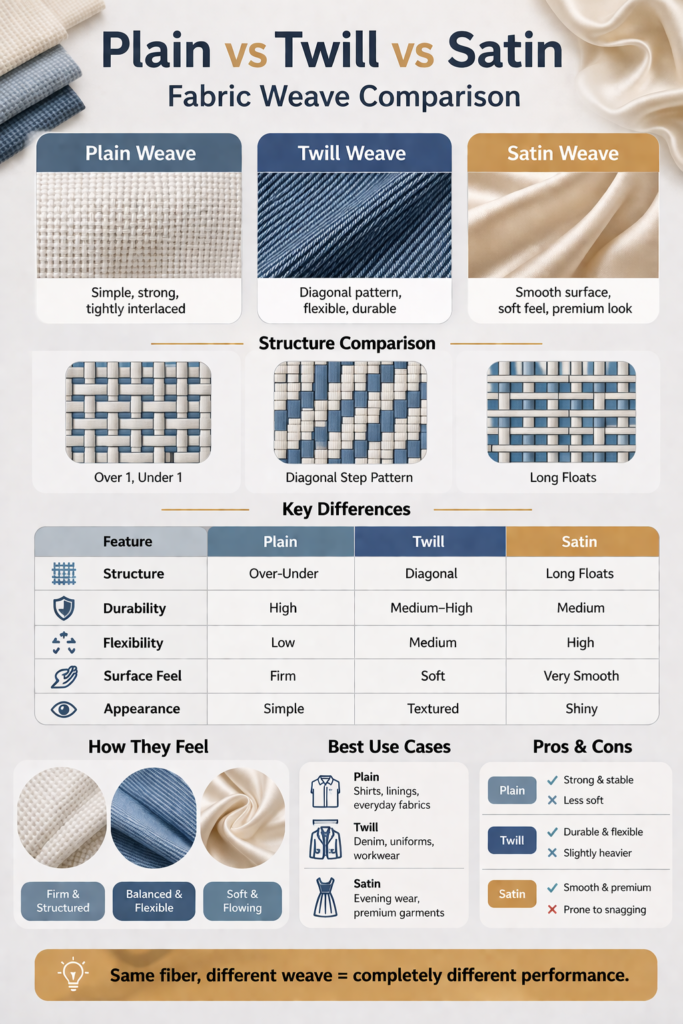
Plain weave is strong and stable, twill is flexible and durable, and satin is smooth and soft. There’s no single best option, it depends on what you want the fabric to do.
Most People Compare Fabrics. The Real Difference Is the Weave
When buyers compare fabrics, they usually start with fiber. Cotton, polyester, blends. That’s fine, but it doesn’t tell the full story. The weave plays just as big a role, sometimes even more. I’ve seen two cotton fabrics behave completely differently just because one used plain weave and the other satin. Same fiber, totally different feel. That’s where this comparison actually becomes useful.
Download our Digital swatch here
Plain Weave: The Reliable One
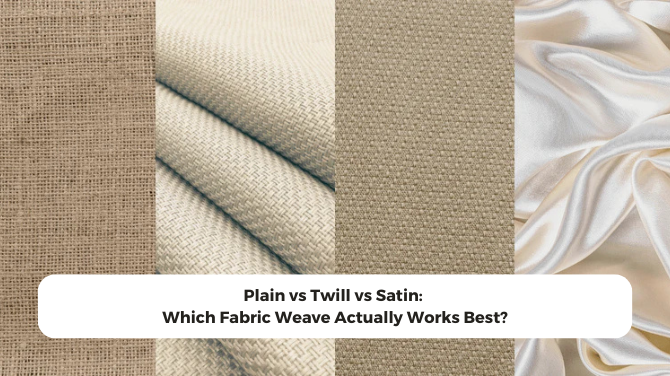
Plain weave is the simplest structure, where warp and weft yarns interlace in an over-under pattern. This tight interlacing makes the fabric stable and consistent. It holds its shape well, doesn’t shift easily, and is easier to handle during stitching and production. That’s one of the reasons it’s so widely used across industries.
If you’ve gone through our detailed breakdown on plain weave fabric, you’ll notice it’s more about reliability than anything else. But there is a trade-off. Because everything is tightly locked in place, the fabric feels slightly firm and doesn’t drape as smoothly. It works best when structure matters more than softness.
Twill Weave: The Balanced Middle Ground
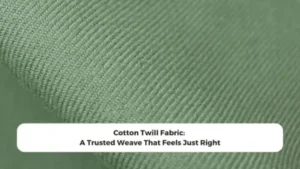
Twill sits somewhere between plain and satin. Instead of a simple over-under pattern, it uses a staggered interlacing that creates a diagonal line across the fabric. You’ve probably seen this in denim or workwear fabrics. This structure allows yarns to move a little more compared to plain weave, which makes the fabric more flexible and comfortable in real use. It also tends to be quite durable, especially for garments that go through repeated wear. We’ve covered this in more detail in twill fabric, but the key takeaway is that twill performs well across multiple factors. It doesn’t specialize in just one thing, it balances durability, comfort, and appearance.
Satin Weave: The Smooth One
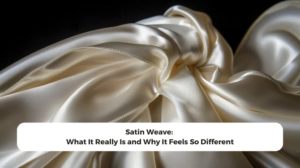
Satin is built differently from both plain and twill. Instead of frequent interlacing, it allows yarns to float over several threads before interlacing again. This creates a smooth, uninterrupted surface that reflects light more evenly. The result is a fabric that feels softer, drapes better, and looks more refined. However, this comes with its own limitations. Because of those long floats, satin is less durable and more prone to snagging. We’ve explained this further in satin weave, where structure directly affects performance. So while satin looks premium, it requires more careful handling compared to the other two.
A Simple Way to Compare Them
Instead of overcomplicating it, you can think of it like this. Plain weave focuses on stability, twill focuses on balance, and satin focuses on smoothness. That’s the core difference. Everything else builds from these basic characteristics.
How They Feel in Real Use
In actual use, the differences become very clear. Plain weave feels slightly firm and structured, which makes it predictable and easy to manage. Twill feels softer and more flexible, allowing better movement and comfort. Satin, on the other hand, feels smooth and almost slippery, with a fluid drape. If you’ve worked with something like cotton woven fabric, you’ll notice how the same fiber behaves differently depending on the weave. This isn’t a small difference, it’s something you can feel immediately.
Durability Isn’t the Same Across Them
Durability varies across these weaves in a practical way. Plain weave is strong because of its tight interlacing. Twill is durable because it combines strength with flexibility, which helps it perform better under stress. Satin, however, prioritizes appearance over durability. That doesn’t mean it’s weak, but it’s not designed for heavy wear. So if the fabric is meant for everyday use or workwear, satin is usually not the first choice.
Where Each One Works Best
Plain weave is commonly used in everyday fabrics like shirts, linings, and basic apparel where consistency matters. Twill is preferred for applications where durability and comfort both matter, such as uniforms, workwear, and denim. Satin is used in situations where appearance and feel are more important, like evening wear or premium garments.
Even more complex fabrics like jacquard fabric build on these principles, but the base weave still plays a major role in defining how the fabric behaves.
Dyeing and Finishing Differences
Dyeing behaves differently across these weaves. Plain weave tends to dye evenly because of its uniform surface. Twill can sometimes show slight variations due to its diagonal structure. Satin reflects light differently, so even small shade differences can become more noticeable. We’ve seen similar effects in criteria for selecting dyes by fibre content, where both fiber and structure influence the final color outcome. So dyeing is not just about fiber, the weave also plays a role.
Sampling Becomes Important for All Three
Sampling is important regardless of the weave, but the focus changes. With plain weave, you’re mainly checking consistency. With twill, you’re evaluating performance and flexibility. With satin, the focus is more on appearance and finish. This is something we’ve seen in woven sample, where early testing helps identify issues before production. Skipping this step is where most problems start.
A Small Reality Check From Sourcing
There’s no single best weave, only the right one for a specific use. Sometimes buyers choose satin because it looks premium, but later struggle with durability. Other times, plain weave is chosen for cost, but ends up feeling too stiff for the application. These issues usually show up after sampling, not before, which is why early decisions matter more than they seem.
Keyword Clusters
Plain vs twill vs satin fabric, difference between fabric weaves, plain weave vs twill vs satin, fabric weave comparison, best fabric weave for clothing.
Final Thoughts
Once you stop looking at fabric only through fiber and start paying attention to weave, things become clearer. Plain weave is stable, twill is balanced, and satin is smooth. That’s really what it comes down to. Everything else is just adjusting around those core characteristics. If you are looking for a reliable woven fabric manufacturer for twill, plain or satin weave fabrics, please contact us.
Frequently Asked Questions
What is the main difference between plain, twill, and satin?
The difference lies in how yarns interlace. Plain weave is tight and simple, twill is diagonal and flexible, and satin uses long floats for smoothness.
Which weave is the strongest?
Plain weave and twill are generally stronger than satin, depending on yarn and construction.
Which weave is best for clothing?
It depends on the use. Twill works well for durability, satin for softness, and plain weave for structure.
Why does satin feel smoother?
Because it has fewer interlacings and longer yarn floats, which creates a smoother surface.